Mandala Flower Pattern Love Color: Design Uses & Files
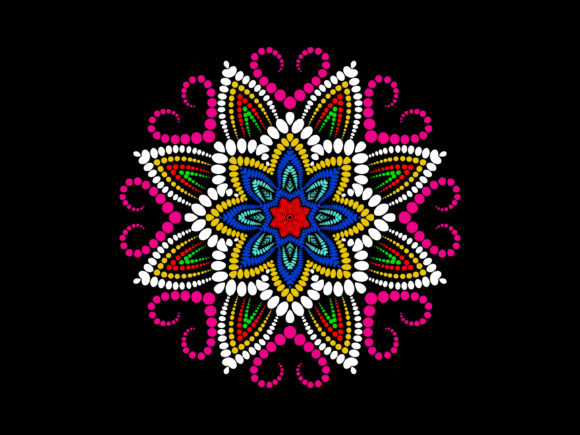
Finding a visual element that bridges the gap between spiritual tranquility and vibrant celebration is a challenge many designers face. The Mandala Flower Pattern Love Color manages to strike this balance effortlessly. It is not merely a static image; it is a dynamic design asset characterized by intricate, symmetrical geometry and a palette that evokes warmth and affection. Visually, this pattern relies on the traditional concentric structure of a mandala, but it softens the rigidity with organic floral motifs. The "Love Color" aspect suggests a rich spectrum—likely involving deep reds, soft pinks, or harmonious palettes—that breathes life into the geometric lines. This creates a style that feels both meditative and joyful. It possesses a versatility that appeals to a wide range of creative professionals, from those seeking a premium font alternative for decorative headers to those needing high-quality textile designs.
Visual Characteristics and Appeal
When you look closely at the Mandala Flower Pattern Love Color, the first thing you notice is the symmetry. Every petal, dot, and line is mirrored perfectly, creating a sense of balance that is pleasing to the human eye. This visual harmony makes it an excellent tool for brand identity, specifically for brands that want to communicate wellness, mindfulness, or artisanal craftsmanship. Unlike a standard serif font or sans serif font, which conveys information through text, this pattern conveys emotion through shape. The floral elements add a layer of organic softness, preventing the design from feeling too clinical or industrial.
The appeal lies in its complexity without clutter. In the world of modern typography and design, negative space is just as important as filled space. This pattern uses negative space effectively to create depth. It works beautifully as a standalone hero image or as a subtle, repeating background texture. For designers tired of using standard script font or handwritten font styles for romantic projects, this mandala offers a sophisticated alternative. It suggests "love" not through cursive loops, but through the universal language of sacred geometry and color psychology.
Practical Applications: Beyond the Screen
The true value of the Mandala Flower Pattern Love Color lies in its adaptability. Because the prompt specifies that this is a vector file suitable for printing or cutting, the applications expand significantly beyond digital web design. It is a powerhouse for physical manufacturing and creative crafting.
For entrepreneurs and small business owners, this pattern is a ready-made solution for packaging design. Imagine a skincare brand using this floral mandala on their box sleeves; it instantly communicates natural ingredients and care. For the events industry, this file is perfect for wedding supplies. You can use it for laser-cut invitations, table confetti, or vinyl decals for dance floors. The intricate lines are ideal for cutting machines, allowing crafters to create stencils for henna paintings or custom cake toppers.
Furthermore, the textile industry benefits greatly from this asset. It can be printed on tablecloths, throw pillows, or scarves. The "Love Color" palette ensures that the product stands out, whether it is displayed in a boutique or a home living room. For content creators and bloggers, the pattern serves as an engaging background for social media graphics. It adds visual interest to a quote card or an Instagram story without overpowering the text, provided the typography is chosen carefully.
Integrating the Pattern into Design Projects
Using a complex pattern like the Mandala Flower Pattern Love Color requires a strategic approach to visual hierarchy. If you place this pattern behind a paragraph of text, the readability will suffer immediately. The best practice is to treat this pattern as a display font equivalent—it is meant to be seen, not read through.
When incorporating this design into editorial design or marketing materials, consider using it for section breaks, headers, or full-bleed background images with a text overlay. To maintain professionalism, you should pair the pattern with clean, minimal typography. A geometric sans serif font often pairs well with mandalas because the clean lines of the letters contrast with the ornate details of the pattern. Alternatively, a bold, wide-tracked serif font can ground the design, giving it a high-end, editorial feel.
Consistency is key in branding. If you decide to use the Mandala Flower Pattern Love Color as a core element of your brand identity, ensure it appears across all touchpoints. Use it on your website background, your email signature, and your physical business cards. This repetition builds brand recognition. However, be mindful of the color palette. If the "Love Color" tones clash with your existing brand colors, you may need to use the vector file to alter the hues slightly, ensuring the pattern integrates seamlessly rather than looking like a clip-art afterthought.
Technical Guidance for Designers and Crafters
The file format provided—JPEG and AI—is the industry standard for versatility. The JPEG file is excellent for quick mockups, presentations, and digital use where editing isn't required. However, the AI (Adobe Illustrator) file is where the real power lies for professional designers.
As a vector file, the Mandala Flower Pattern Love Color is infinitely scalable. You can enlarge it to fit a billboard or shrink it down for a favicon without losing quality. This is a crucial distinction from rasterized images. For those using the file for cutting (such as Cricut or Silhouette machines), the vector paths allow for precise blade tracking. You can separate the layers to cut different colors of vinyl, creating a multi-dimensional, layered decal effect.
When evaluating the fit of this pattern for a project, consider the "visual weight." Mandalais are inherently heavy and dense. If your project requires a light, airy aesthetic, you might need to reduce the opacity of the pattern or use only a cropped section of it. For logo design, it is rarely effective to use the entire mandala as a logo mark because it is too detailed to scale down to small sizes like a favicon or a stamp. Instead, consider extracting a single petal or a section of the mandala to create a unique, abstract logomark that retains the essence of the original pattern.
Maximizing Value with Licensing and Usage
For designers, marketers, and publishers, understanding the utility of design assets like the Mandala Flower Pattern Love Color is about efficiency. Having a high-quality, ready-to-use pattern in your library saves hours of drawing time. It allows you to focus on layout and composition rather than illustrating from scratch.
When using this pattern for commercial purposes—such as selling merchandise, using it in paid advertising, or incorporating it into a client's brand identity—always verify the specific licensing terms of the file. Most commercial font and asset licenses allow for broad usage, but they may have restrictions on resale of the raw file itself.
Ultimately, the Mandala Flower Pattern Love Color is more than just a decorative swirl. It is a versatile tool for storytelling. It can transform a plain wedding invitation into a treasured keepsake, turn a simple social media post into a viral visual, and elevate a generic product package into a premium experience. By leveraging its vector capabilities and understanding its visual personality, you can unlock a new dimension of creativity in your work.